Traditional Chinese Veterinary Medicine (TCVM) is a holistic approach to veterinary care that has been practised in China for thousands of years. It is an adaptation and extension of Traditional Chinese Medicine (TCM) used to treat humans.
It considers the whole animal, including their physical health, comfort, behaviour and overall wellbeing. TCVM aims to support the body’s natural healing processes and restore balance.
Understanding TCVM.
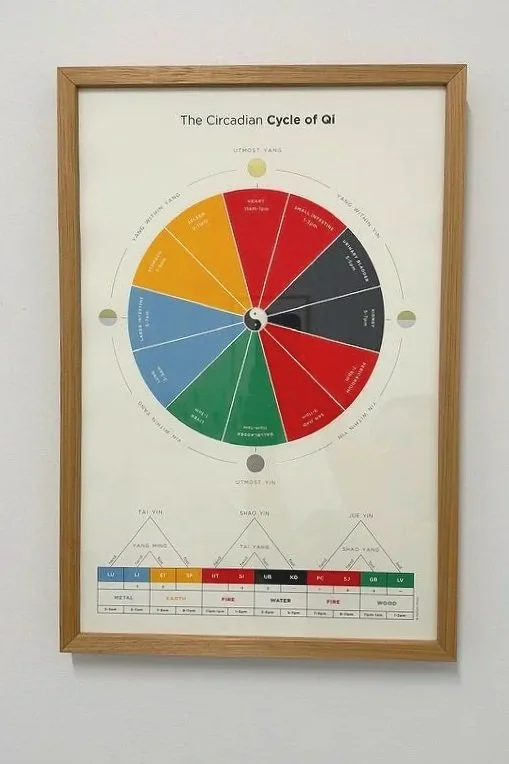
At the heart of TCVM is the concept of Qi, traditionally described as the body’s vital energy. According to Chinese medicine, Qi flows through pathways known as meridians and works in harmony with the opposing but complementary forces of Yin and Yang.
Yin and Yang represent different aspects of the body that work together to maintain balance. When this balance is disrupted by factors such as illness, injury or stress, it is believed to contribute to health concerns.
TCVM uses a combination of assessment and treatment approaches to help restore this balance and support the animal’s overall wellbeing.
Treatment modalities.
TCVM is comprised of four main treatment modalities:
Acupuncture: Involves placing very fine needles into specific points on the body.
Herbal Medicine: Used to support the body’s balance and functions such as digestion, circulation and general wellbeing.
Food Therapy: TCVM considers how food may influence the body according to traditional concepts of warming, cooling and balancing properties. Food therapy aims to complement your pet’s overall care by supporting their nutritional needs and wellbeing.
Tui Na: A form of traditional Chinese therapeutic massage that uses a variety of hands-on techniques applied to specific points and pathways on the body, known as acupoints and meridians.
Within TCVM, Tui-na aims to encourage the flow of Qi, restore balance and support the body’s natural functions.
If you wish to see a Veterinarian that practices TCVM,
please book in a holistic consultation with
Dr Kumiko Ogawa or Dr Karmen Fong.