Vitamin C (Ascorbic Acid) plays an important role in many physiological processes, including tissue growth and repair, protection against oxidative stress, and healthy immune function.
Intravenous Vitamin C has been investigated as a supportive therapy in human cancer care, with studies reporting benefits including improved quality of life and, in some settings, prolonged survival times. While research in veterinary medicine is still emerging, we may recommend Vitamin C Infusions as part of a supportive and integrative approach to various conditions including cancer care to suitable patients.
Benefits of Vitamin C Infusions.
Improve time to cancer relapse
Improve quality of life and function
Improve survival times in combination with chemotherapy
Mitigate toxic effects of chemotherapy (reduce severity of side effects)
Enhance reduction in tumour size and tumour regression
Reduce pain
Enhance immune response
Support post anaesthetic recovery
Mitigate inflammation
Increase appetite
-
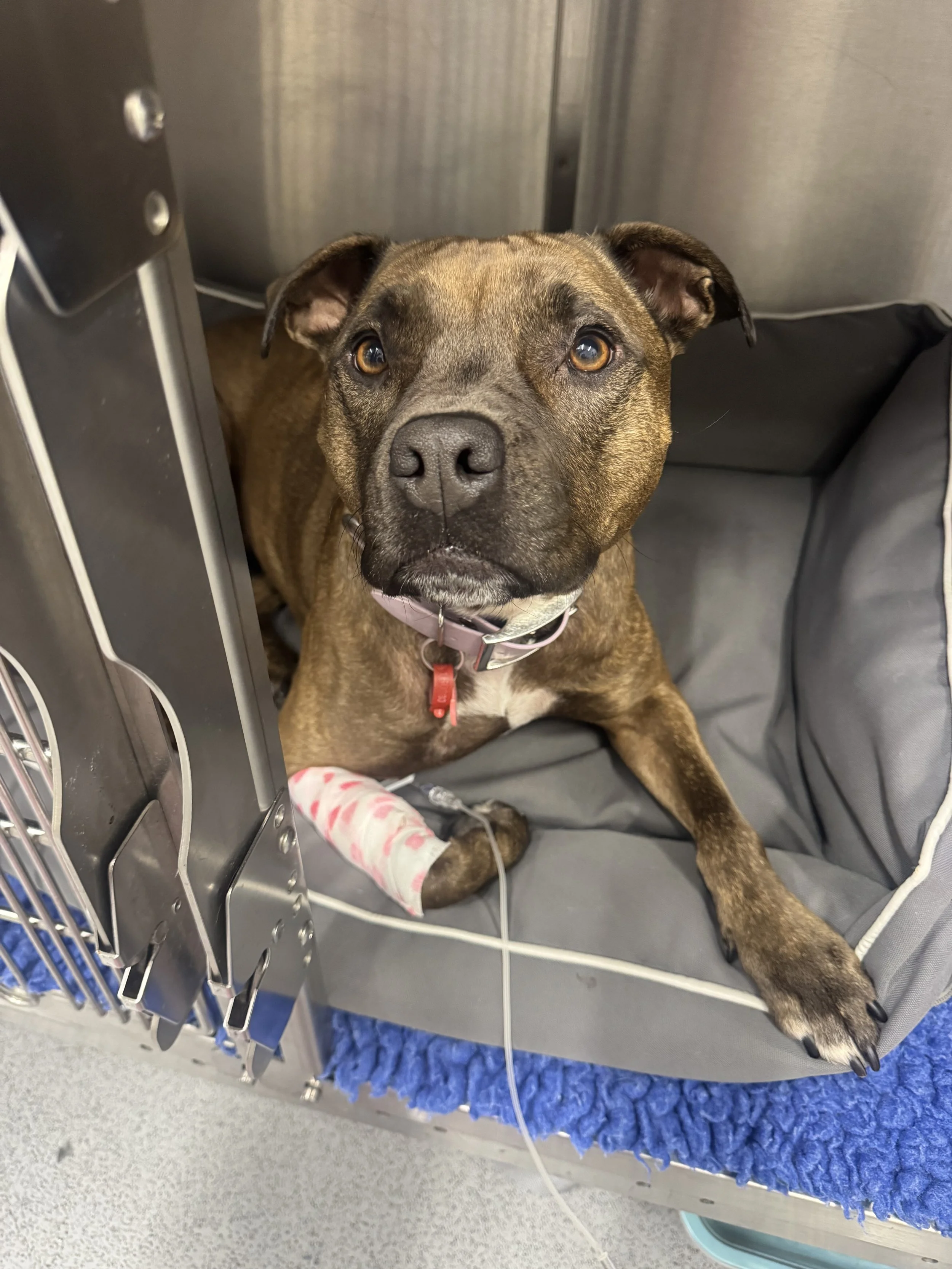
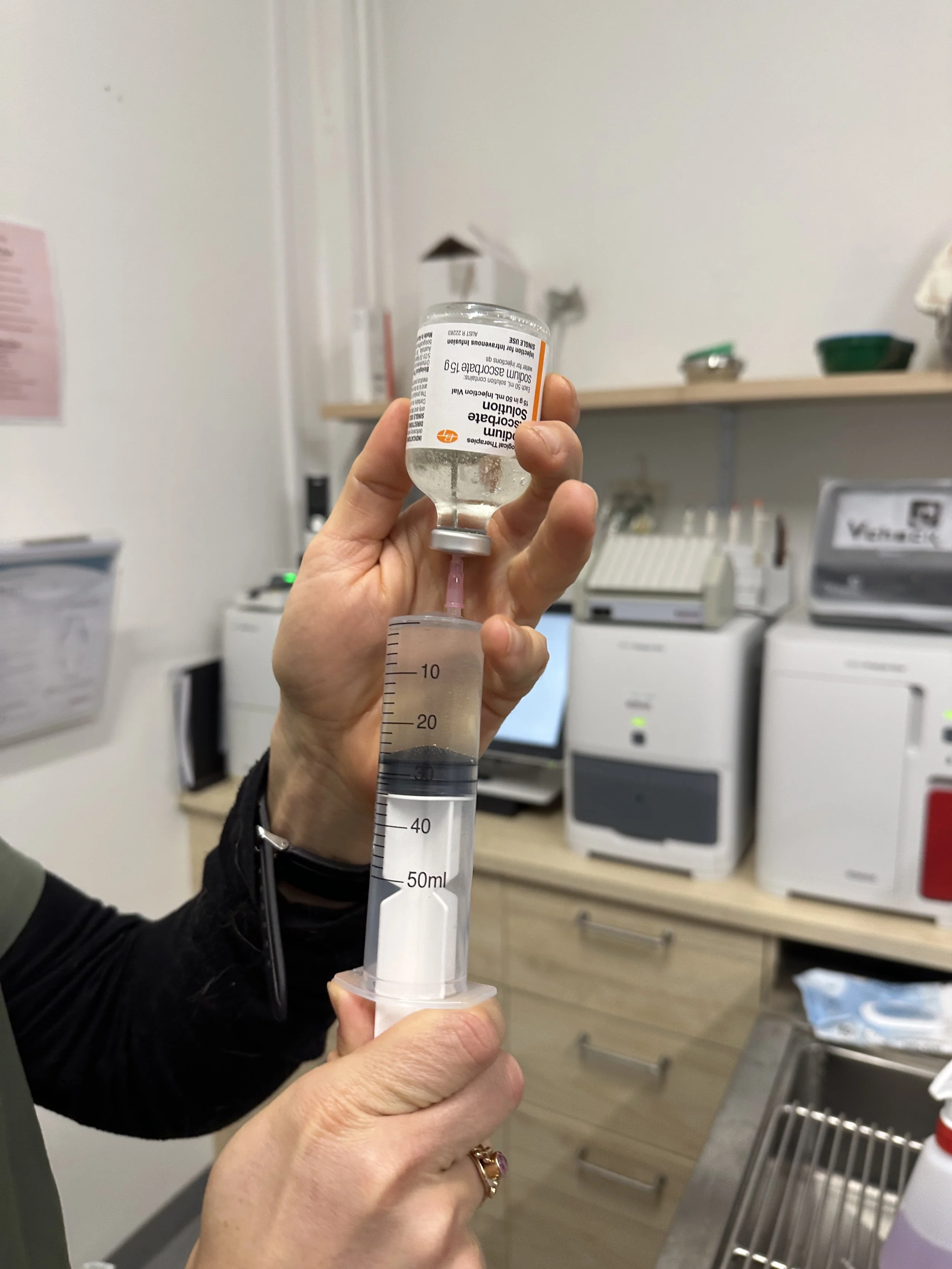
Vitamin C is administered through an intravenous cannula connected to a drip. The vitamin C solution is given slowly over a period of time, while their vitals are monitored throughout the infusion to ensure it is well tolerated.
The duration of the treatment depends on the individual, but on average this could take about 30-45 minutes. If your pet needs additional fluid therapy, they will need to stay at the clinic for most of the day.
-
Extravascular administration of Vitamin C will cause a painful IV cannula site and restlessness. In some cases, it may also cause skin necrosis, Therefore, we take extra care to ensure the IV cannula is in place before treatment is started.
Increased thirst can occur, but is temporary.
Increased heart rate and pupil dilation during the infusion. This resolves with slowing down the infusion rate.
Some patients may develop diarrhoea or become quiet or depressed at home. These side effects may be mitigated by reducing the dose or by slowing down the infusion rate.
-
Patients who are dehydrated or have inadequate renal function and urine output - some human patients have developed kidney stones but none have been documented in animal patients.
Patients with low blood pressure - this can be mitigated by adding vitamin B12 into the infusion.
Patients with congestive heart failure or patients with ascites/ oedema due to other causes - these patients have a high risk of fluid overload with bolus fluid administration.
Patients with G6PD deficiency (1 in 3300 dogs) can have hemolysis after a high dose of Vitamin C.
Patients with sclerosed veins from multiple IV cannulas - healthy veins are required to prevent extravascular administration.
Patients who are not tolerating the stress of being hospitalised or during IV cannula placement.
-
We will need to see your pet before their first treatment. Please book in a consultation with our vets so that we can assess your pet, and answer any further questions you may have.
If your pet is currently seeing a Veterinary oncologist, please notify them of your wishes to start Vitamin C Infusions. Although we believe in the benefits of this treatment in pets undergoing chemotherapy, some oncologists prefer to not use Vitamin C Infusions concurrently.Our vets will work closely with your Veterinary oncologist of choice to come up with the best treatment protocol for your pet.