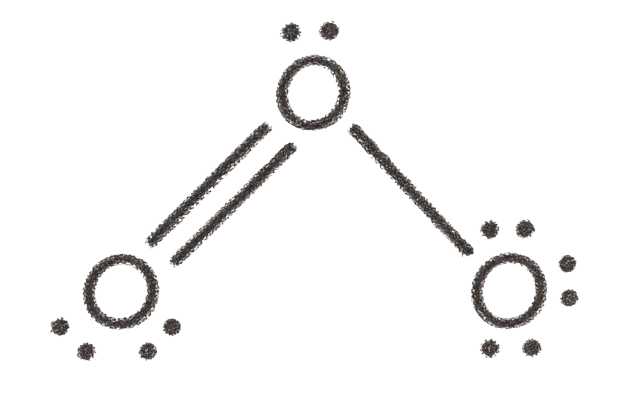
Ozone therapy uses a carefully controlled form of oxygen called ozone (O₃) to create a mild, therapeutic oxidative stimulus in the body. This controlled response may support the body’s natural antioxidant, immune and circulatory systems.
Ozone has been studied for its anti-inflammatory, immune-supportive and antimicrobial properties, and is used in both human and veterinary medicine.
Ozone Therapy.
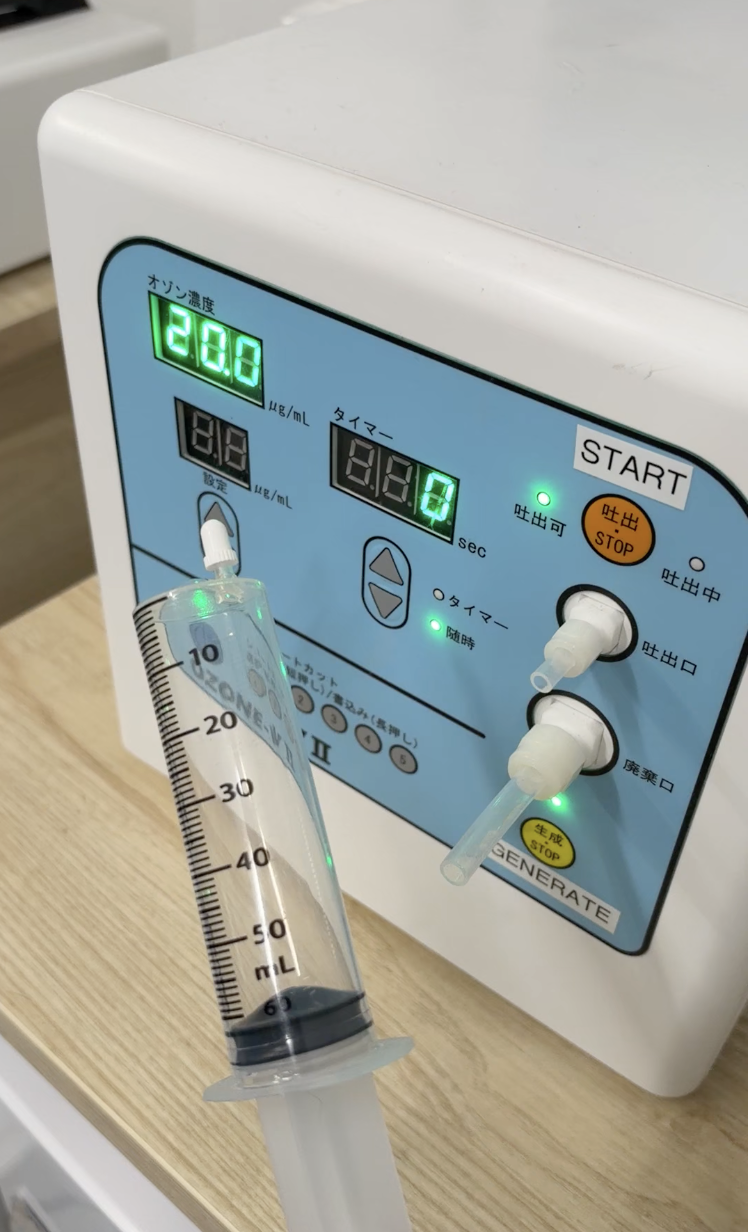
Following introductory lectures in 2006 at institutions such as the Nippon Veterinary School, Ozone therapy gained momentum in Japan and was increasingly adopted by companion animal veterinarians. Today, it is used in veterinary practice for a range of applications, including pain management, skin conditions and immune support, and is offered at more than 300 veterinary clinics across Japan.
We have imported a specialised Ozone generator from Japan and follow protocols developed by experienced veterinarians; incorporating Ozone therapy as a complementary treatment alongside conventional veterinary medicine.
Benefits of Ozone.
1. Increased Cellular Oxygenation
When ozone is introduced into the body, it may promote vasodilation and influence the release of oxygen from hemoglobin in red blood cells. This can enhance blood flow and oxygen delivery to tissues. Improved oxygenation may support the normal function and recovery of various tissues and organs, including the brain, peripheral nerves, eyes, intervertebral discs, limbs, and skin.
2. Normalization of Immune Function
Ozone therapy stimulates the production of substances called cytokines, which can restore immune function if it is diminished and help regulate immune responses in autoimmune diseases. By enhancing immune function, ozone therapy may improve symptoms and reduce the need for medications for infections, tumours, and allergic diseases. Specifically, since hypoxic conditions and impaired immune function are believed to contribute to the development of tumour cells, ozone therapy may be beneficial as an adjunctive treatment for tumours. It could be effective on its own for benign tumours.
3. Cellular Activation
Ozone therapy may help cells produce energy by improving the way they use oxygen. It may also create a mild oxidative effect that stimulates the body's natural antioxidant defences and helps maintain a healthy balance of oxidative stress.
As aging is associated with increased oxidative stress, ozone therapy may help support energy, vitality, and appetite in older animals.
4. Excellent Antibacterial and Antiviral Properties
Ozone is a powerful antimicrobial substance that can dissolve easily in water and oil. This allows Ozone water and Ozone oil (which contain dissolved Ozone) to be used externally to help kill harmful bacteria and other microorganisms.
Unlike antibiotics, Ozone does not lead to antibiotic resistance and may be suitable for repeated use when applied correctly. Ozone is also considered less irritating to tissues than some chemical disinfectants and can be used in certain sensitive areas.
Because of these properties, Ozone may be useful in conditions involving bacteria and other microorganisms, including periodontal disease, eye infections, ear infections, skin conditions, and bladder infections.
FAQs.
-
Ozone therapy comes in several forms, but we typically use the following three methods:
1. Minor Autohemotherapy
We collect 2 ml of the patient's blood, mixed with three times it’s volume of ozone gas, and then injected subcutaneously.
2. Ozone Gas Insufflation
Ozone gas is introduced directly into the rectum. The anus is compressed for about one minute to allow absorption.
3. Ozonated water
Ozanated water is used during a dental procedure as an extra natural disinfectant, and also for cleaning wounds or infected skin or ears.
4. Ozonated bubbles (Latee + Spa)
We have imported another machine from Japan that generates ozonated bubbles to treat skin infections, irritated skin, ear infections, tear staining, and salivary staining.
-
Ozone Therapy can be used in a range of conditions, such as:
Dental disease
In cases of dental diseases in animals, particularly in dogs, periodontal disease often results from plaque accumulation around the gums, leading to loosened and eventually lost teeth. Following a dental scale and polish, we use cotton soaked in Ozone water to swipe the periodontal pockets. This approach helps to slow the progression of periodontal disease and allows us to preserve the teeth. We also use Ozone water to flush the gums, to promote healing and reduce inflammation.
Tumors
O. Warburg, who discovered that cells subjected to a low-oxygen environment (below 35%) tend to become cancerous, was awarded the Nobel Prize in 1931. This finding indicates that most tumours exist in a hypoxic state. In response, Ozone therapy is believed to exert various secondary effects in the body against hypoxic tumours, such as improving blood flow, increasing oxygen supply, enhancing antioxidant defences, and boosting immune function.
Skin Diseases and ear infections
We use Ozonated water, bubbles, or oil as an external treatment. Unlike steroid medications, it has antibacterial properties and can accelerate wound healing with no concerns about side effects. Additionally, Ozone oil is frequently observed to promote hair growth and reduce inflammation.
Aging Animals
Ozone therapy offers improved blood circulation, normalized immune function, enhanced neuroendocrine activity, and cellular activation. These effects counteract the decline associated with aging. Ozone therapy may help improve overall function. Many cases have shown increased appetite after Ozone therapy.
Other Diseases
As explained for aging animals, many diseases can benefit from improved blood circulation, normalized immune function, enhanced neuroendocrine activity, and cellular activation. Therefore, Ozone therapy applies to various conditions, including kidney disease, liver disease, pancreatitis, and respiratory disorders. It is also used before anaesthesia in middle-aged and older animals to prevent circulatory issues and reduce post-anaesthesia recovery problems.
-
Ozone reverts to oxygen as soon as it enters the body, so it does not leave residues and is considered safe. Additionally, because its effects only enhance the body's natural functions, it is believed that there are almost no side effects when ozone therapy is conducted with the appropriate concentration of ozone gas.
Ozone might irritate the airway if inhaled. If your pet has a respiratory problem, we will assess the risk carefully before using Ozone therapy.